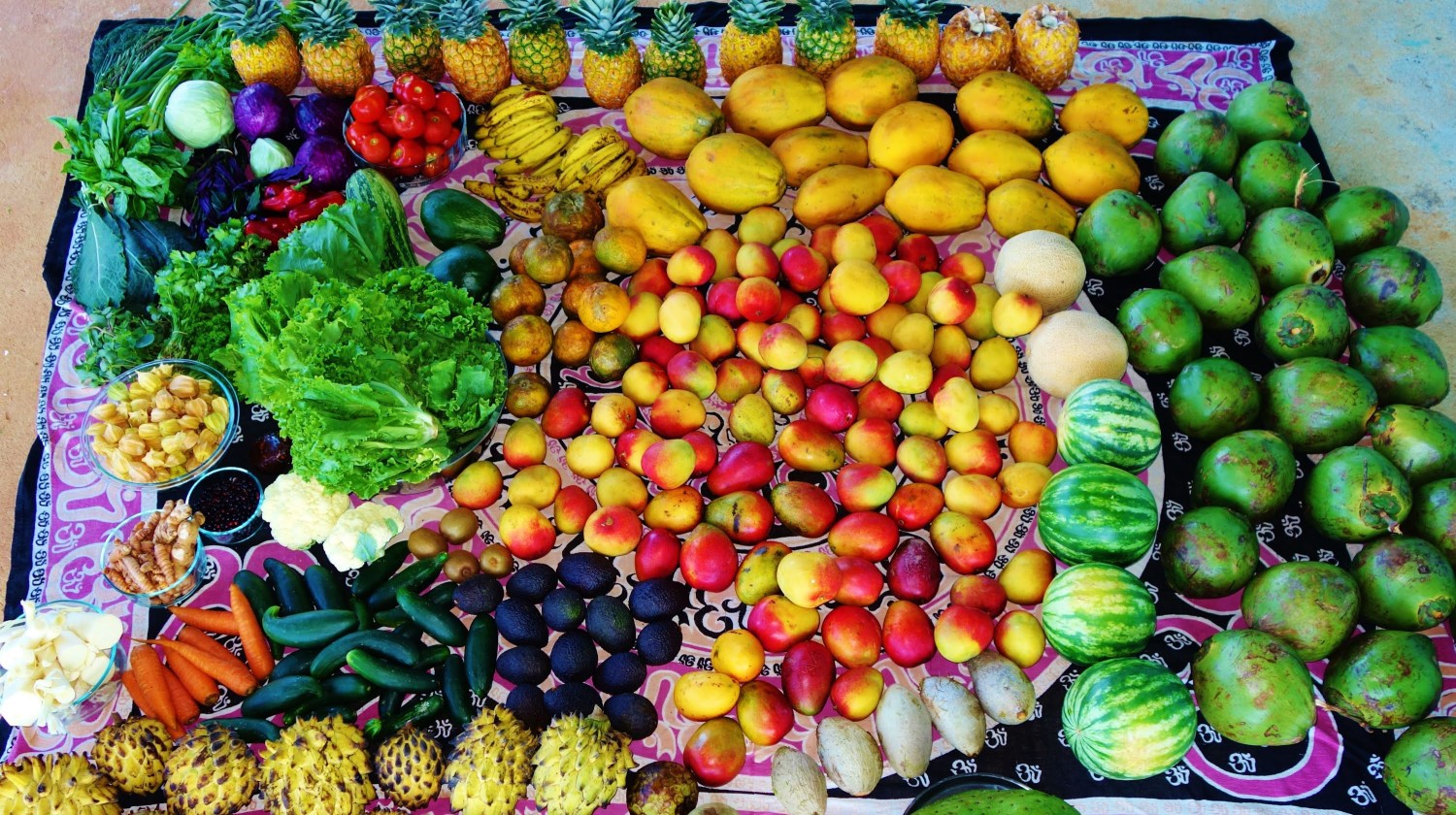

High-Carb living may sound or feel like rocket science especially when you are looking for a way to balance the nutrition and expenses. I must admit, I reverted to my old ways once the meager allowance I handled couldn’t support my food expenses that had sky rocketed. In as much as I felt great as I had earlier stated here, I felt overwhelmed by everything. It took stepping back and searching within for me to simplify matters. Therefore I am a big believer of things always falling into place mostly effortlessly, so I went out in search for answers. I had come across a couple of vegan instagram pages and watched the media this personalities put out. They looked radiant and had this glow that I desired not to forget that I was impressed at how they had managed to do outrageous market hauls. As much as I might not be from the same geographical region as any of them, I knew I could pick a few things and tailor it to work for me. My argument being, I came from a beautiful tropical country with an abundance of fresh organic produce. A place where I easily accessed these at a relatively affordable price and much ease, I therefore had no excuse whatsoever.
Armed with this information and assurances I stepped forth with so much confidence to put it to the test. I was ready to buy as much as I can. As a common rule that I go by when I am handling shopping, I carried what I thought would be enough to carve out for the week. Well, guess here is where we say the rest is history \o/.
As time passes by I have continually edited a couple of things to suit me based on the experience I have gathered. Delightfully, I will share this as I know I am not alone on this one, also to help anyone who is or might be considering transitioning to a vegan lifestyle.
- ALWAYS work with what you’ve got! If you
don’t havecan’t access brown rice(it is quite pricey as compared to), white rice works as well. Simplicity is key.
- Map out the markets around where you live or note out the market days and maximize on the given opportunities. Most large-scale markets have vendors selling at quite a fair price as compared to the shopping center .
- Work with what is in season. Buying a fruit that is out of season can be really expensive and unsustainable in the long run. It is therefore wise to get what is in the market in plenty.
- Buy in bulk. Any commodity gets to be a bit cheaper if bought in larger amounts. The more you buy the lesser it will cost per fruit and most probably the vendor will be kind enough to squeeze in a few extras for you. \o/
- Always inquire for the slightly over ripe fruit(for a few cases such as mangoes, papaya, bananas). During the transportation of their produce most vendors have some of their fruit mishandled or a bit squeezed or just generally overripe. They always have them set aside most often than not, counting it as a loss and they will be more than willing to sell them to you at a literally throw a way price. If you are a brace-face like me, you would probably appreciate more slightly overripe mangoes due to the ease at which one consumes without necessarily being tied down to the use of a knife to chop it up. On the same line of thought, slightly over ripe bananas could be used for smoothies and nice cream.
PS: I however would advise that you buy just enough to go by before they go bad. Another option for keeping the over ripe fruits longer would be to chop them up and freeze them in portions easy to use. It is the only way one would make it a win-win situation.
You might also find other vendors selling the unripe fruit at a lower price than the ripe fruits. All you will need to do is store till they ripen.
- Outsourcing for fruits from the immediate source if you can. That is the best way to get the freshest produce and at a pocket friendly price. I have such a great love for mangoes that I at times find myself inquiring for the farm source to an extent of making nice with them for an opportunity to pluck some yummy goodness.
Vegetables mostly are, all year round and not as seasonal as fruits. However, there are simple hacks such as:
- Always get vegetables that are easier to find and if not substitute with a member of its family. A given example is potatoes, there are times when the common potato tuber is quite pricey and purchasing feels like a total rip off. One can, in exchange get arrow roots or sweet potatoes of which I’m sure they can’t miss access to even from the rural areas.
- Work with greens that are easily available for the given season especially what we get to call the indigenous greens that is mrenda (mulukhiya), kunde (cow peas leaves), managu (black night shade), terere (amaranth), malenge (pumpkin leaves). You name it.
- For the vegetables that are a bit pricey such as cauliflower, broccoli, red and yellow pepper, celery, leeks. One can purpose to either work with one vendor and requested for discounted prices or even alternate purchase of the said vegetables rather than buying them all at once.
- For those who are adventurous enough or big on DIY you can set up a mini kitchen garden with all those vegetables, better yet with those that are sold quite steeply.
Hoping I decoded a few things for someone and made carbing up easy.
Give it a shot and let me know how it worked.
Lots of love.
 HIGHCARBLIVING